Orphan Process
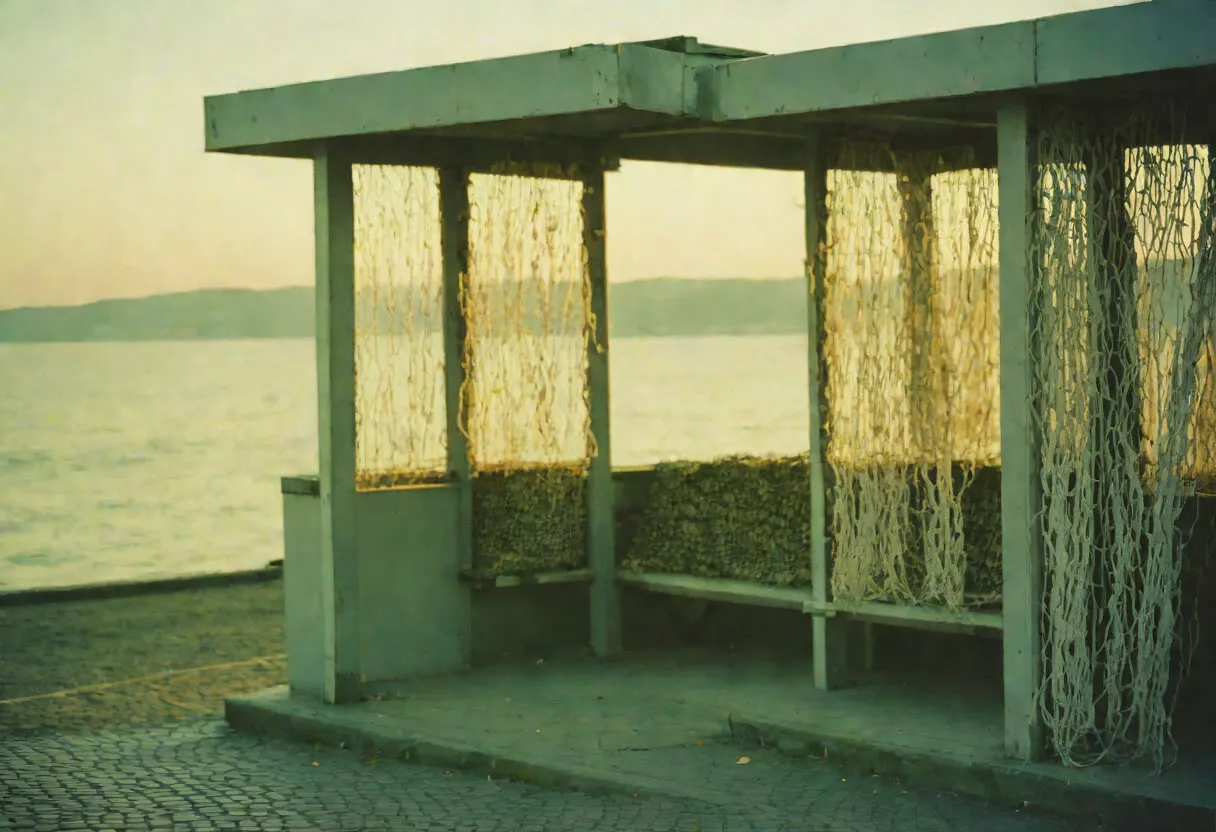
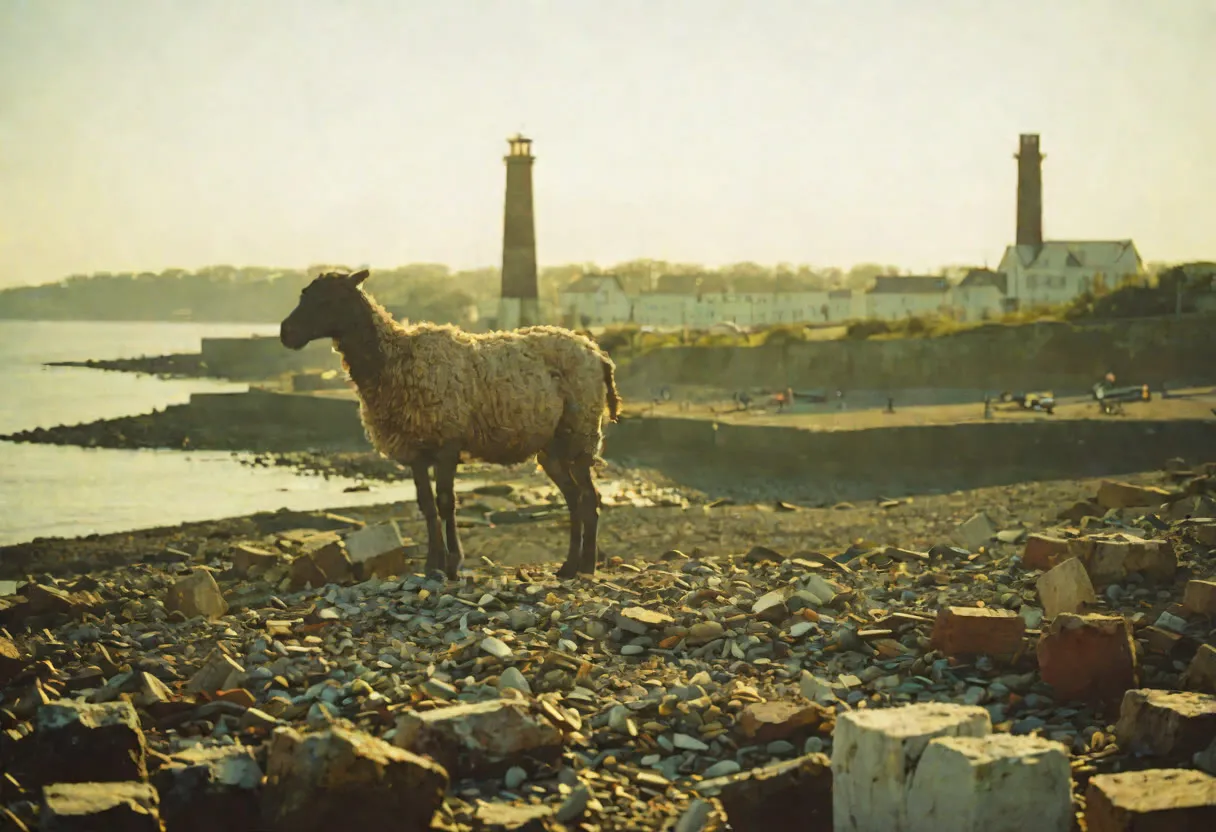
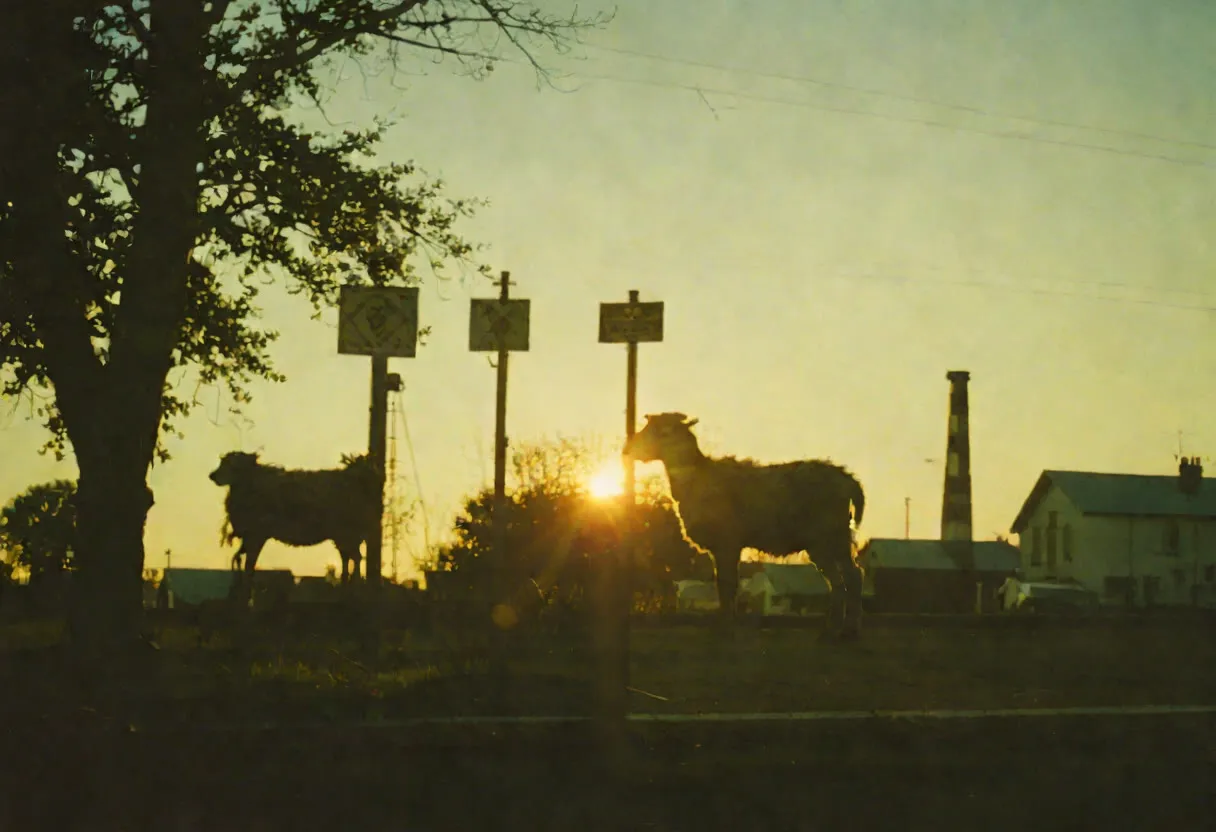
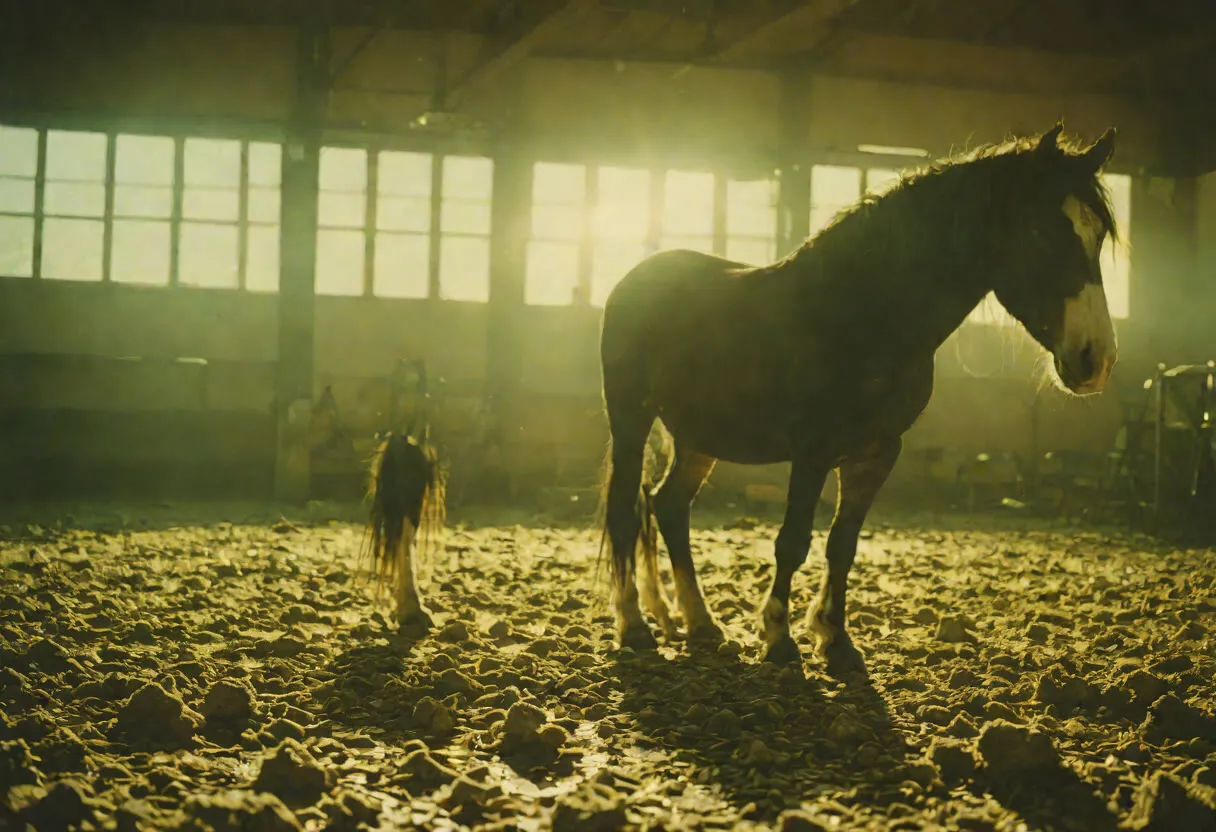
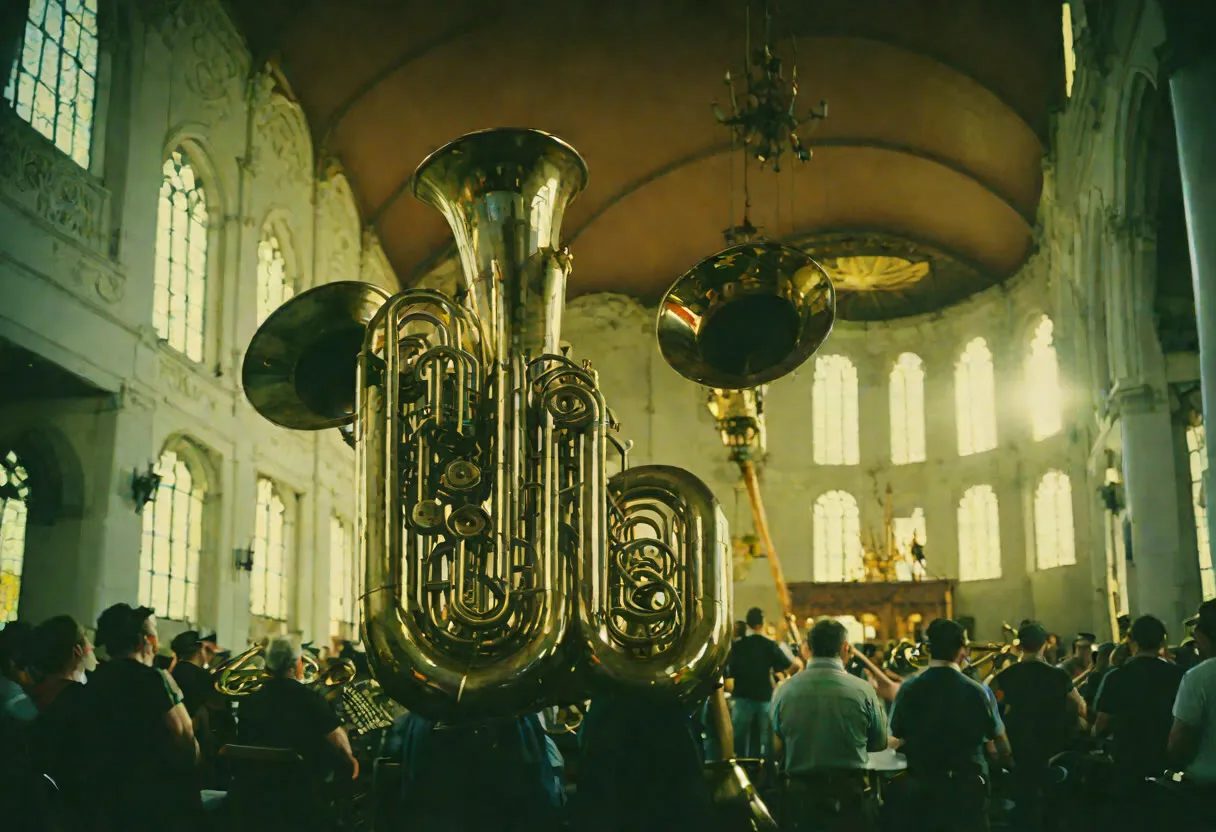
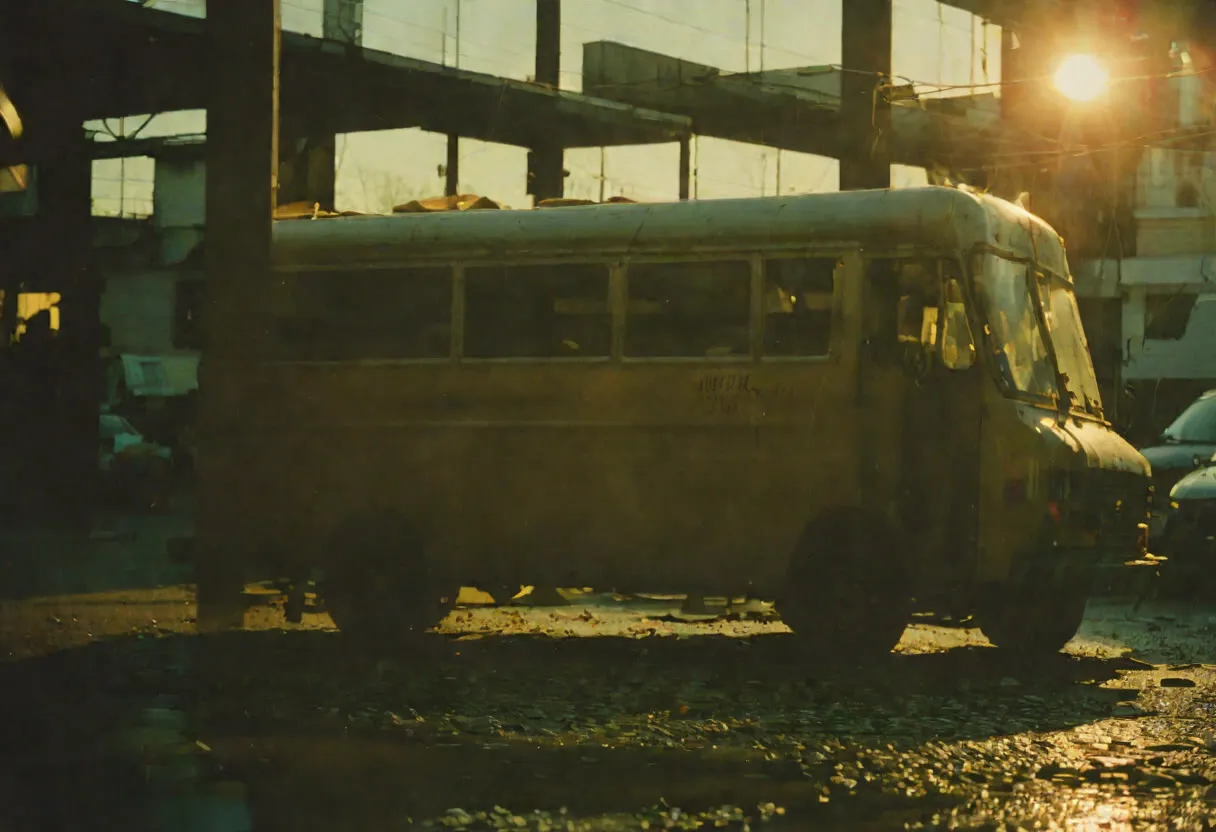
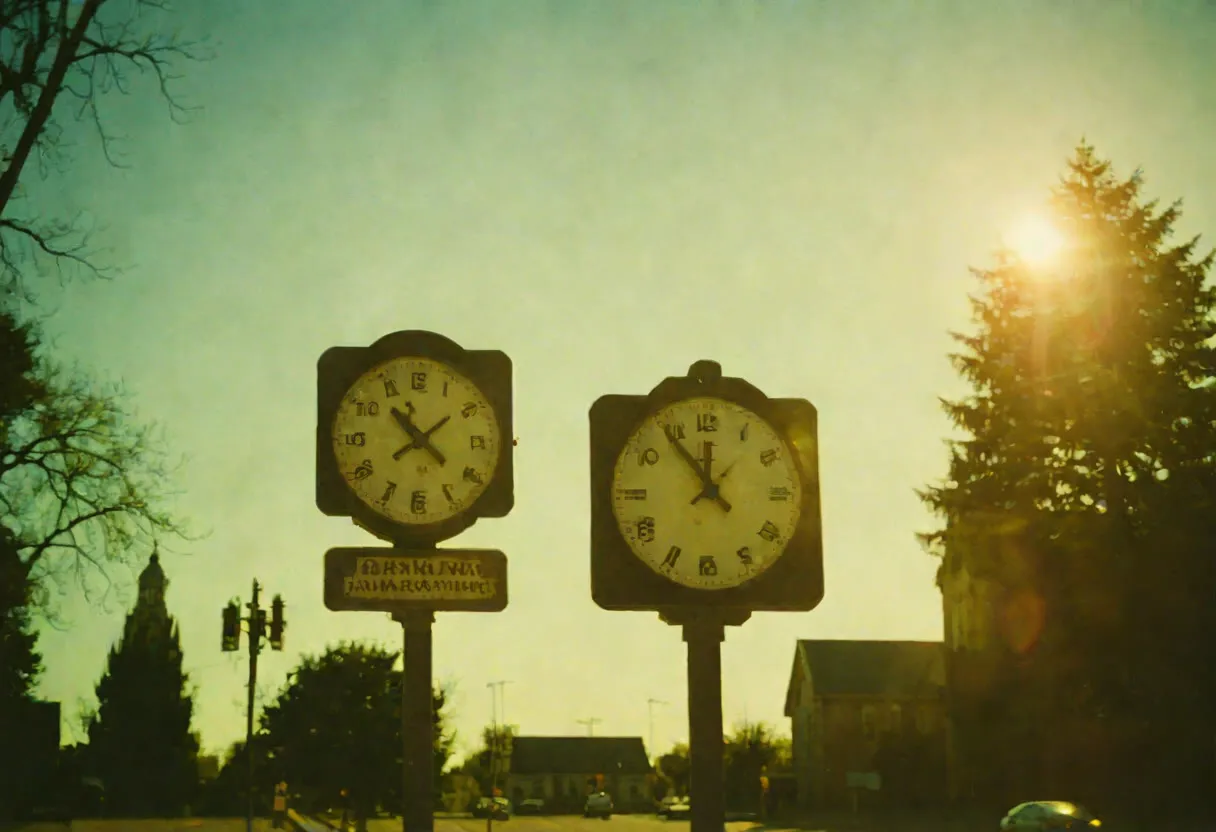
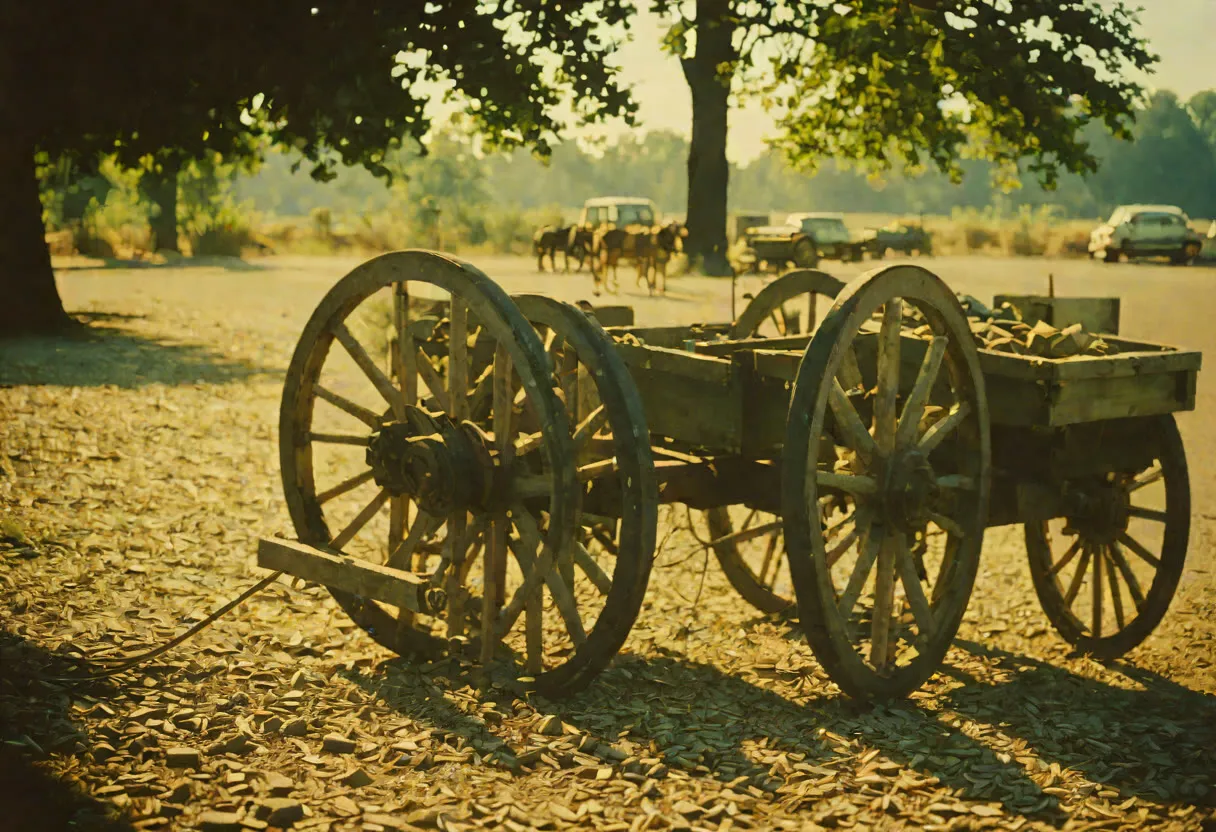
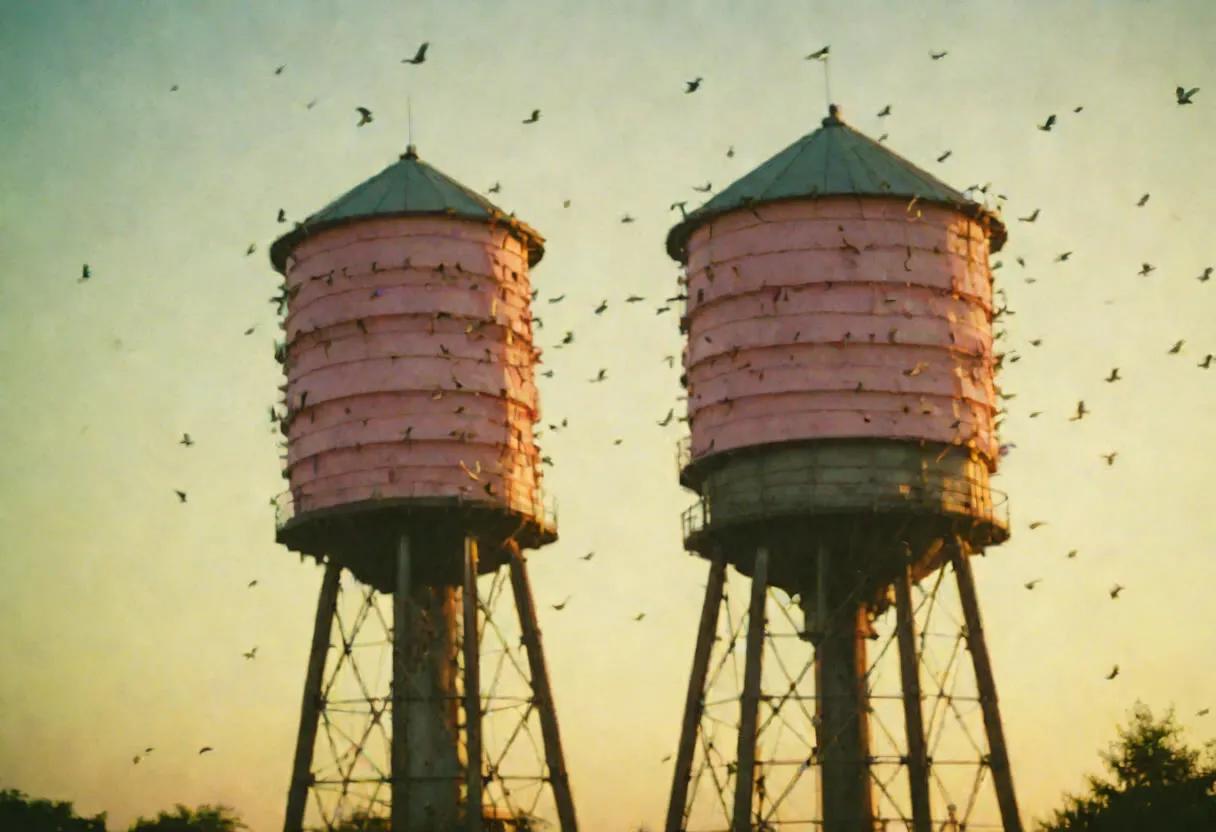
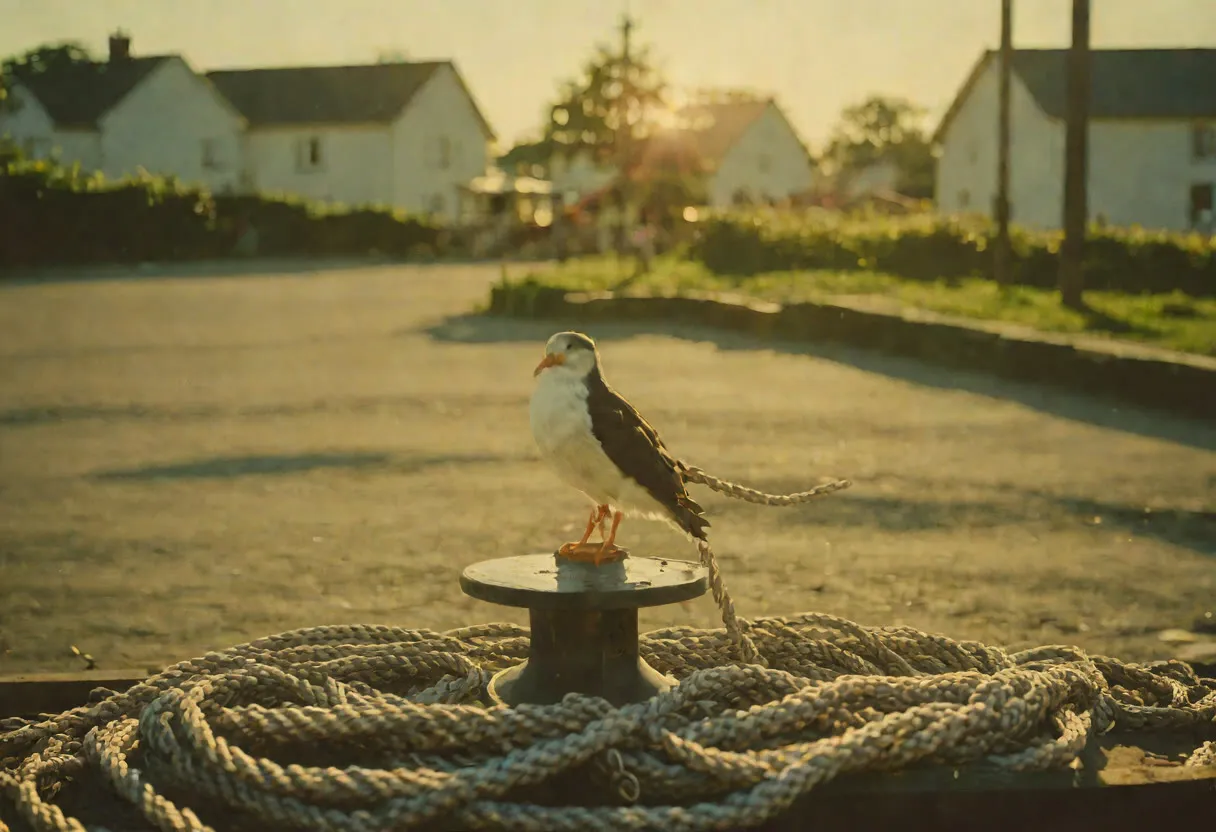
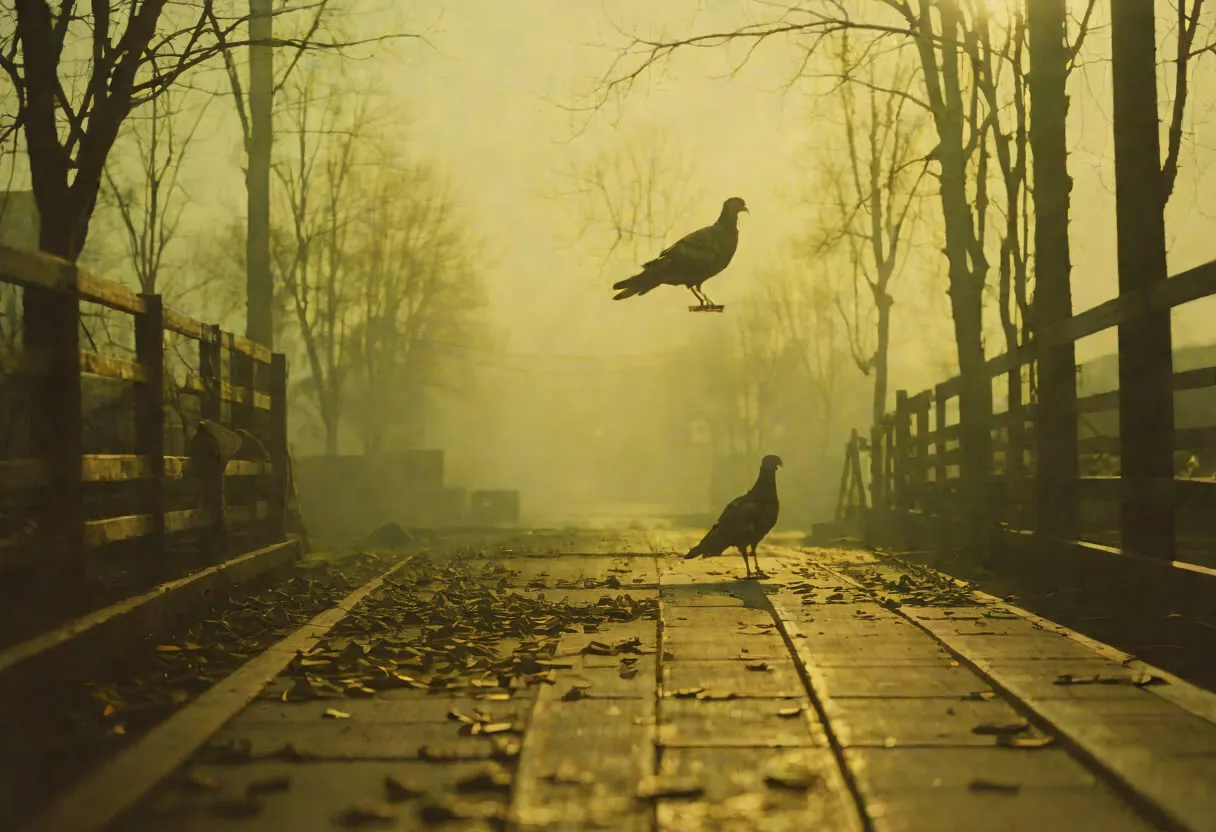
Orphan Process is a series of photographs of the Northumberland coast and the towns of the North East that were never taken. Each image is chosen by a curiosity-driven algorithm: a language model proposes a dozen possible scenes, and the system keeps whichever lies furthest from everything it has already seen. What it finds are ordinary places gone slightly wrong — a seafront shelter hung with fishing nets, a brass band beneath an instrument too large for the hall, a pair of water towers painted pink — reported plainly, as if they had happened.
Every image passes through the same fixed look: low sun, golden haze, soft focus, the colour shifts of expired film and the vignette of a disposable camera. These are the conventions of the family snapshot, the visual grammar by which a private past is usually kept. Here they are applied to events that have no past at all.
In the relatively recent past, Smith has experienced the loss of four close family members. As they recede, so do the particulars of what was shared with them, and what remains is increasingly the look of memory rather than its content. Orphan Process turns that loss towards the technologies now offered in its place — systems that promise to restore, extend or simply produce a past — and to their use and misuse. The machine is not asked to remember but to invent, and its fabrications arrive already carrying the warmth of recollection.
The work is shown as photographic prints and as 35mm slides in a slide projector: the apparatus through which such memories were once shared, one image at a time, in a darkened room.
- Year
- 2026
- Type
- mixed media
- Model
- Diffusion model, language model, novelty search
- Latent
- 64×44×4 · sdxl vae (fp16 fix)
- Credits
- Photographic prints, 35mm slides and slide projector; single-channel video. Images generated by custom software.